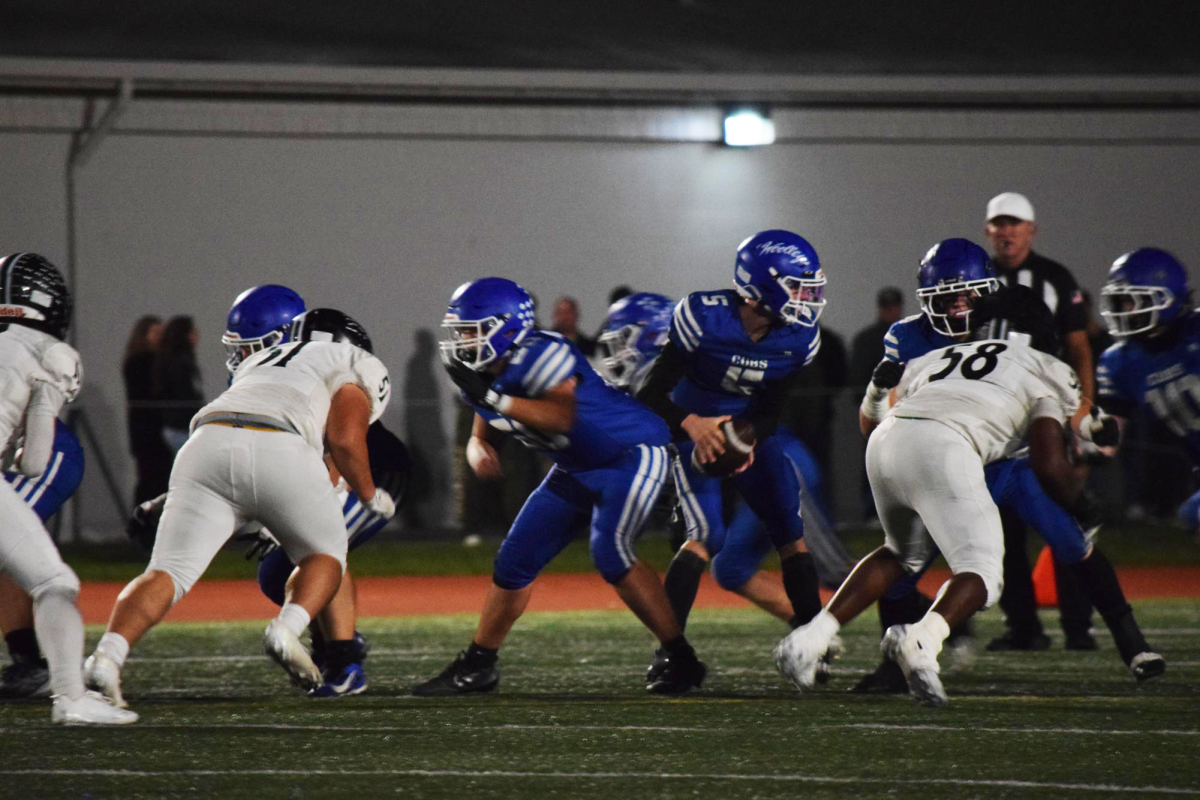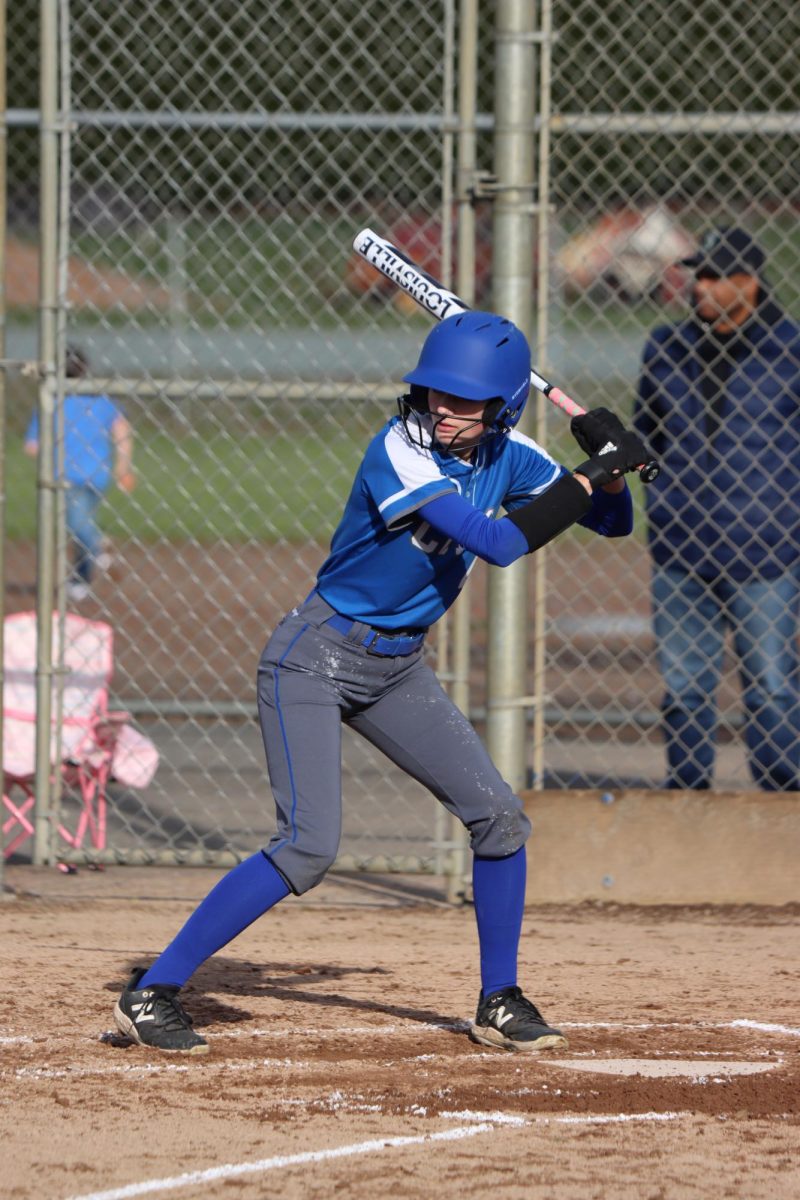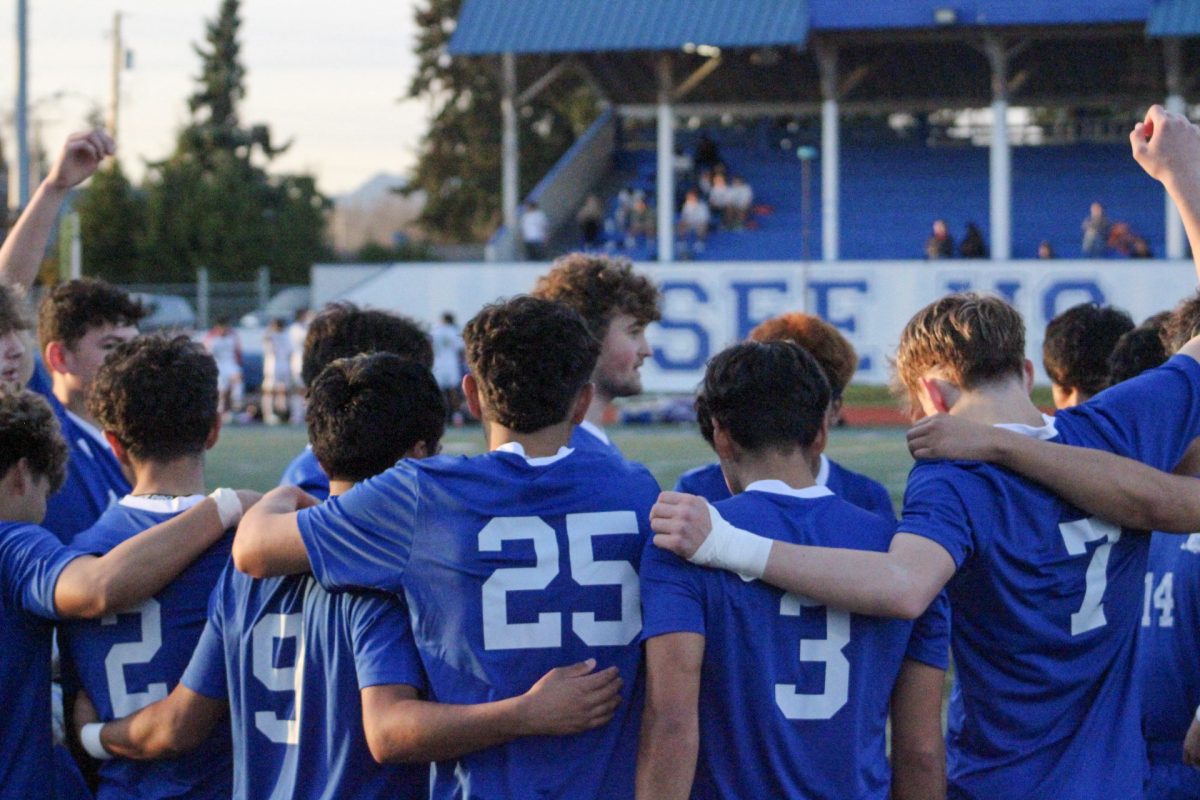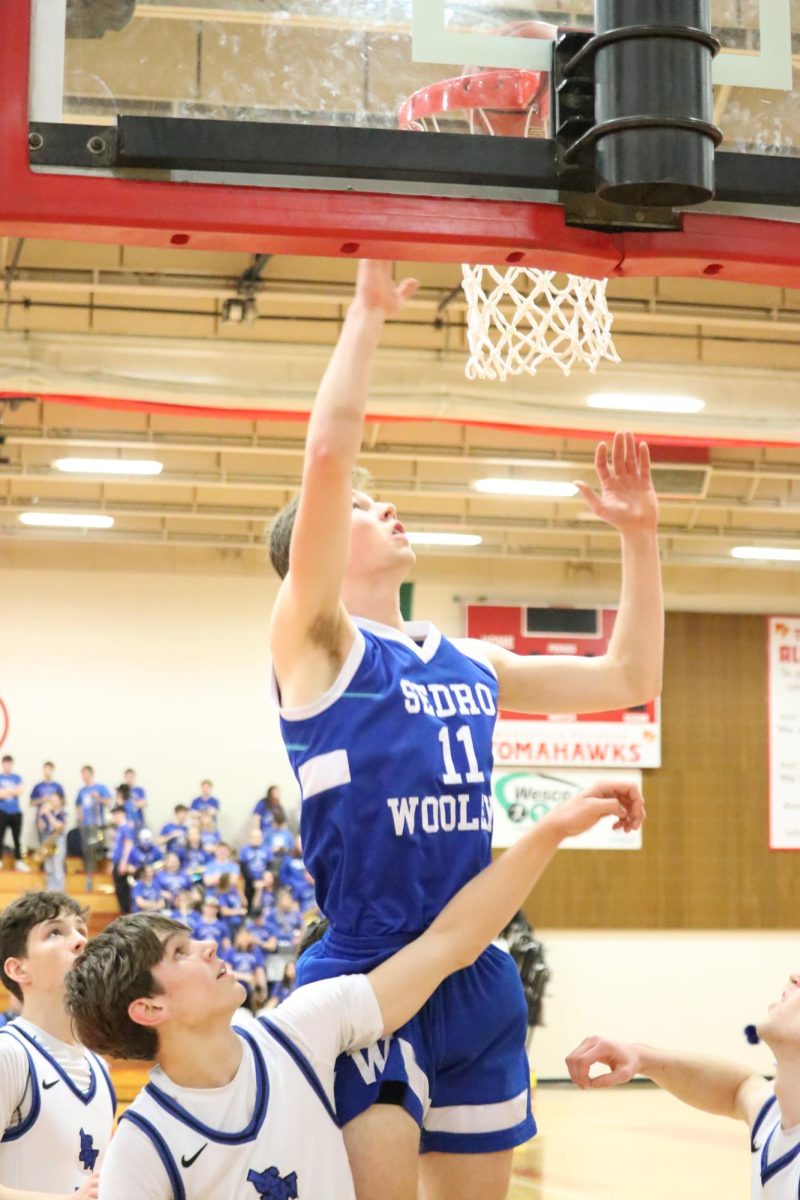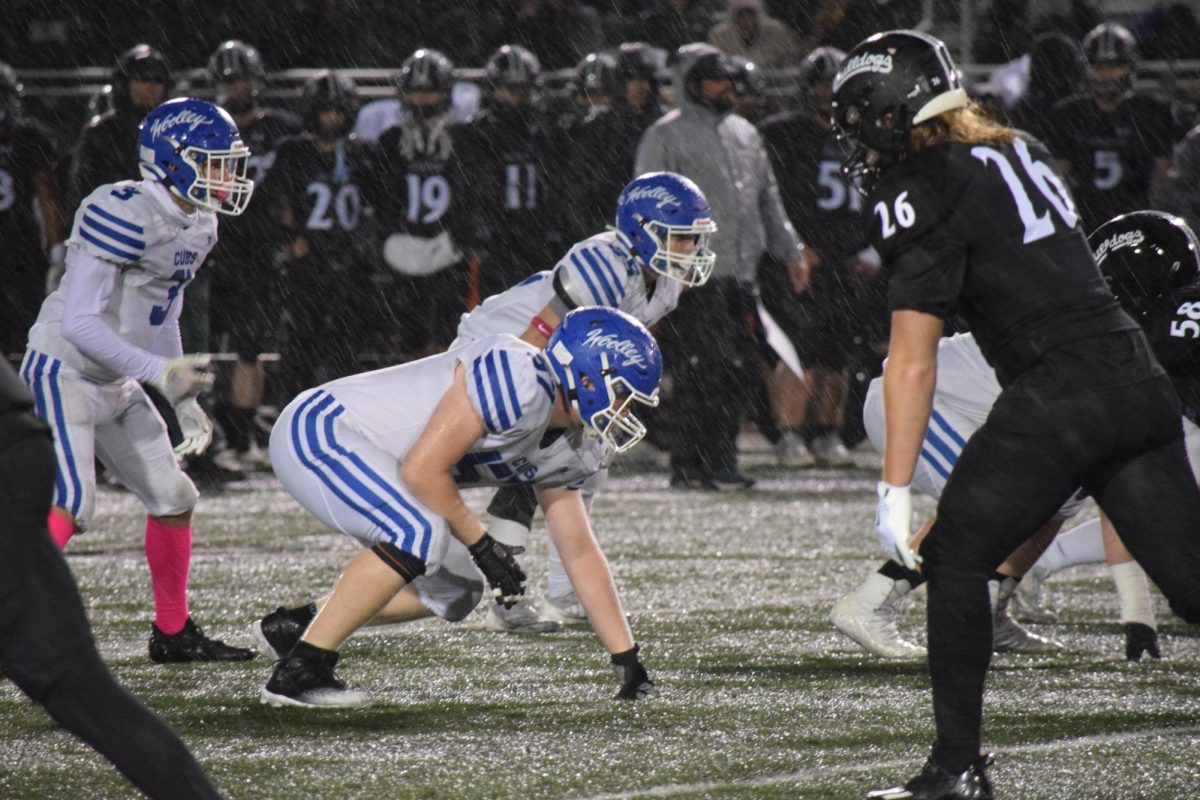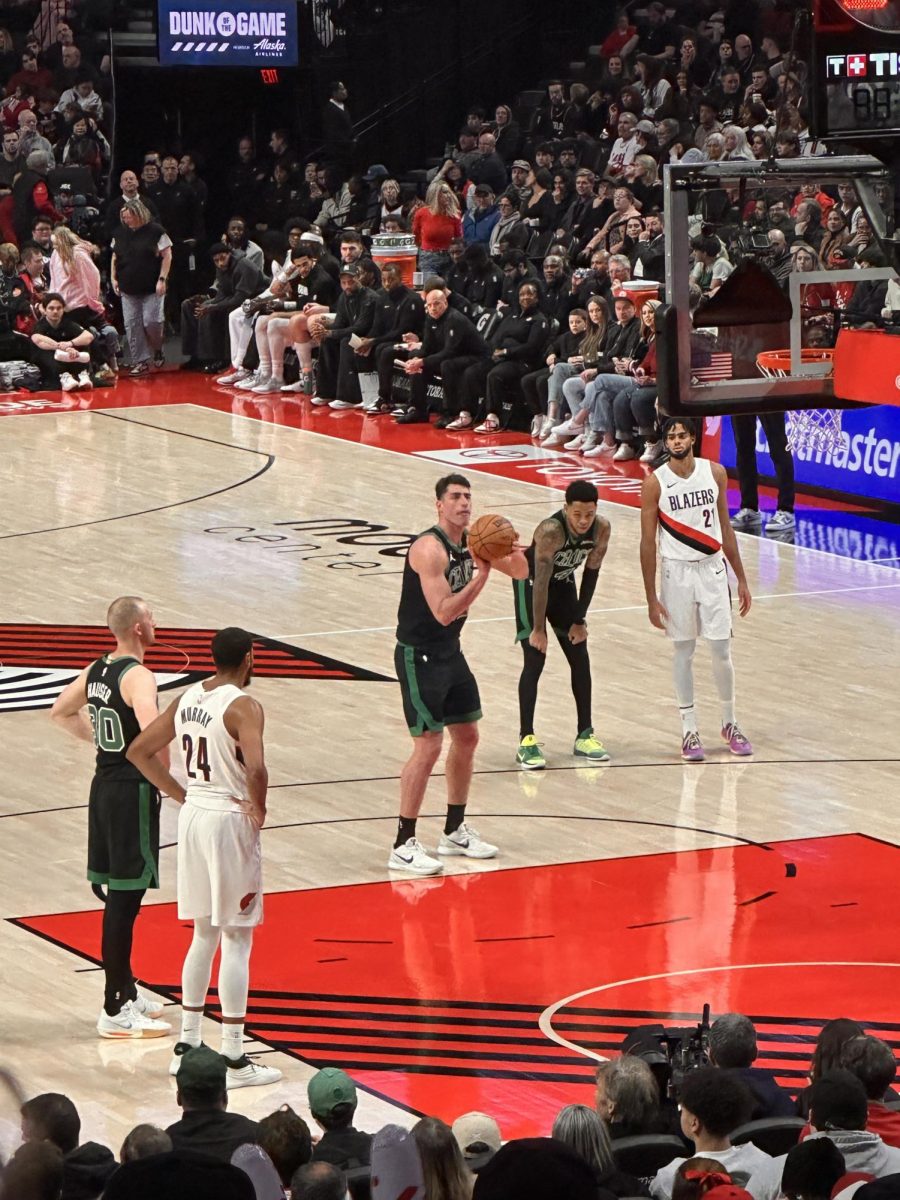
Losses in sports have more impacts on athletes than just the numbers on the score board. Whether it’s on the volleyball court, wrestling mats, basketball court, or the softball field, losses linger in athletes’ minds.
“I tend to be a little bit more negative,” said Boston Celtics player Luka Garza in an interview with the cub news.
He’s also played for the Detroit Positions, the Minnesota Timberwolves, and is an alumni of Iowa university men’s basketball.
“I try not to be too focused on the made or missed shots. It’s more of, you know, the process of those shots” said Garza. “Was it a good shot? Did I rush it? Did I take my time?”
In his college career Garza won the John R. Wooden Award: Top Men’s College Basketball Player 2021, Oscar Robertson Trophy among others.
“Usually right away after the game, I like to watch the game. I kind of process, and I’ve seen it, I try not to jump to any reaction emotionally without watching it first, I usually journal after,” said Garza.
While Garza is a professional NBA player, some non professional athletes have similar issues.
“I don’t let my sport define who I am as a person,” said Lillian Henrickson, a senior volleyball player at SWHS. “I see volleyball as something fun I get to do for a little bit of my day everyday.
All athletes have different ways they cope with losses in sports or tough games like using positive self talk, focusing on things they did well but think they should work on.
“My parents come watch the games always,” Garza says talking with his parents after his games allows him to “debrief a little bit.”
Garza also journals his plays which helps him process and let out his emotions of the game. “I try to emphasize the positive parts and just kind of let it all out, you know, as I write it down,” said Garza.
Henrickson says she has a similar process.
“I deal with my emotions of the game by talking with my mom about it and she helps me through it. I write down my emotions in a journal. I also have an amazing support group in my friends. They were also a good place to go to and talk about my emotions,” said Henrickson.
Friends are a great support system for athletes, especially if they listen to what you’re saying and understand what you’re going through. Teammates play an even bigger role in the mental sides of all sports.
When reflecting on the loss of a game it’s important to know you did the best you could do in that moment in that game.
“The most important thing is, if I felt that, I went out there and played as hard as I could, and I gave everything I had, I could live with, whatever the result is,” said Garza.